
THE EXHIBITION “GLOBAL ANTIQUITY”
MILAN FROM 5 NOVEMBER 2026 TO 1 MARCH 2027
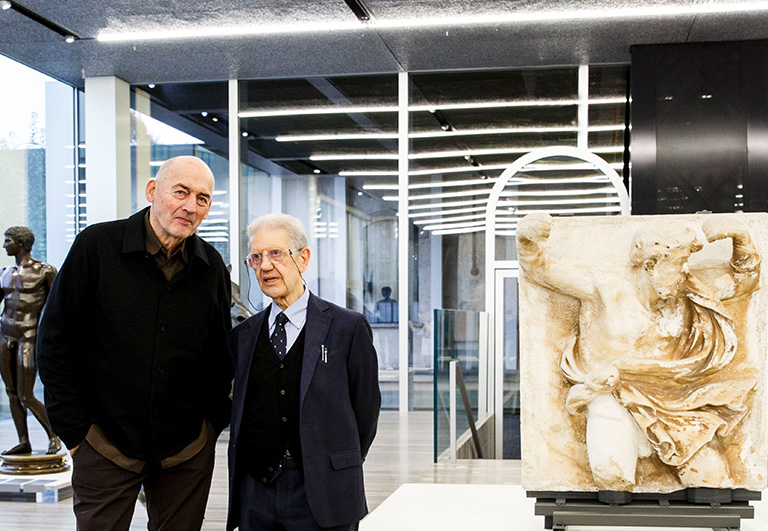
Fondazione Prada, research exhibition curated by Salvatore Settis, Anna Anguissola, and Chiara Ballestrazzi and designed by Rem Koolhaas and AMO/OMA, in its Milan venue from 5 November 2026 to 1 March 2027 (press preview: Wednesday, 4 November). “Global Antiquity” offers an unprecedented perspective on the interactions between the cultures of the Mediterranean and those of Asia over a broad timespan, from approximately 700 BC to 1000 AD.
The exhibition is part of a wider investigation undertaken by Fondazione Prada since 2015, when it simultaneously presented “Serial Classic” and “Portable Classic” in its Milan and Venice spaces, two exhibitions curated by Salvatore Settis (with Anna Anguissola in Milan, and Davide Gasparotto in Venice). The research continued in 2022 in Milan with “Recycling Beauty” (curated by Salvatore Settis and Anna Anguissola with Denise La Monica), a project dedicated to the reuse of Greek and Roman antiquities in post-antique contexts, from the Middle Ages to the Baroque era.
The underlying premise of this comprehensive survey is the desire to think of ancient art not simply as a legacy of the past, but also as a vital element with the power to affect our present and future. Such themes as seriality, reuse, recycling, and globality are closely linked to our conception of modernity, but they also attest to the extraordinary persistence of certain values, categories, and models of the past. Through an innovative curatorial approach and experimental exhibition formats developed by Rem Koolhaas and AMO/OMA, ancient heritage becomes, in Salvatore Settis’ words, “a key that provides access to the multiplicity of cultures in the contemporary world.”
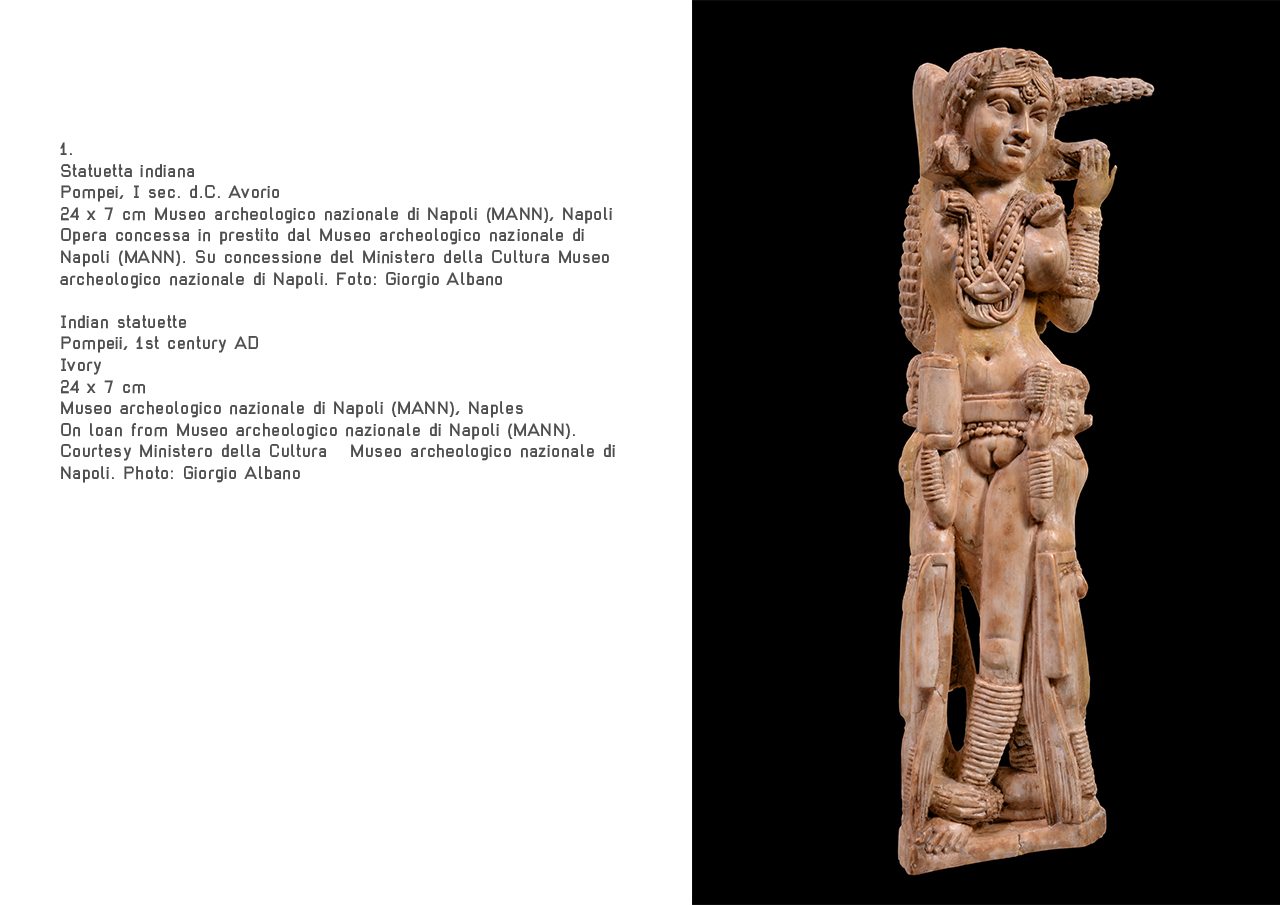
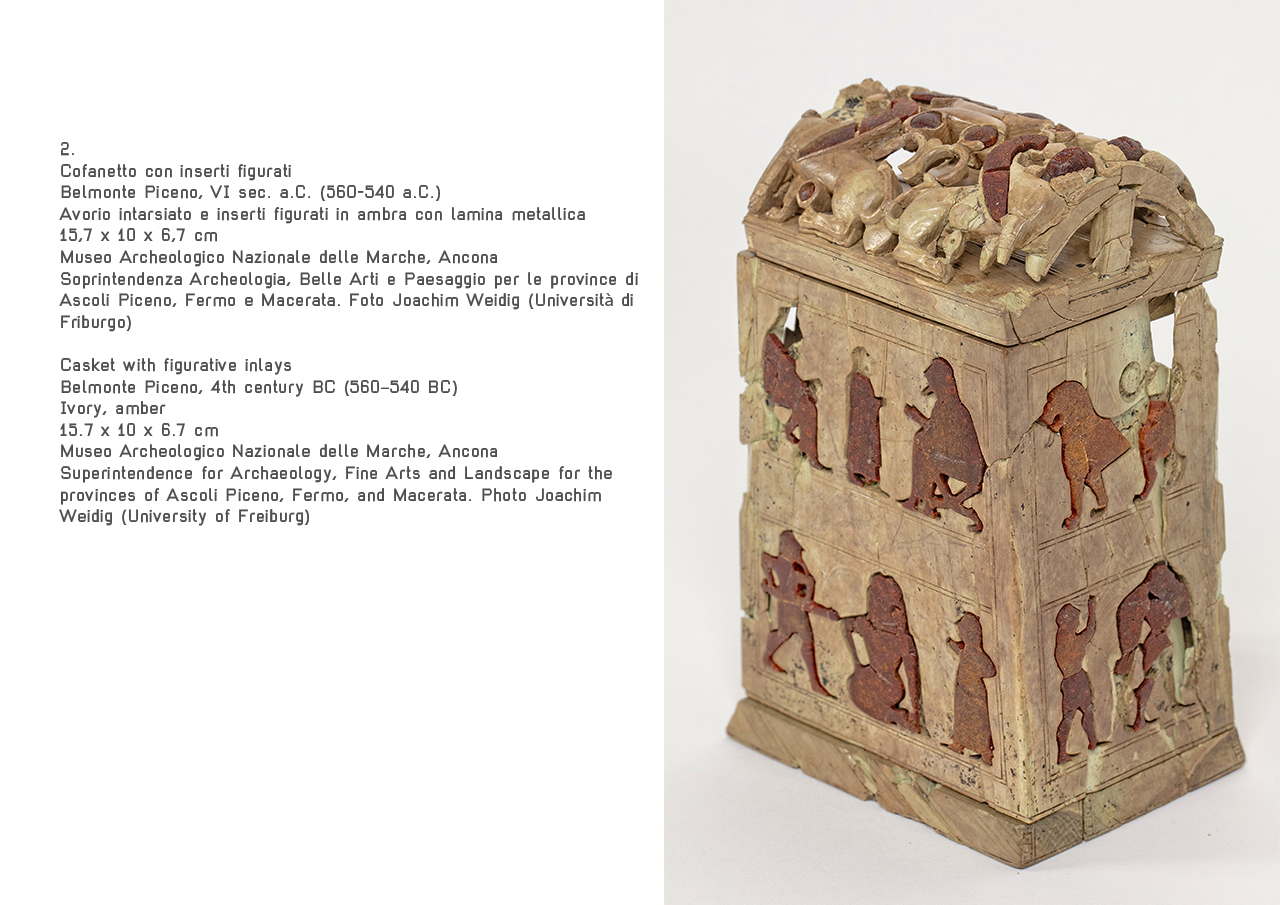
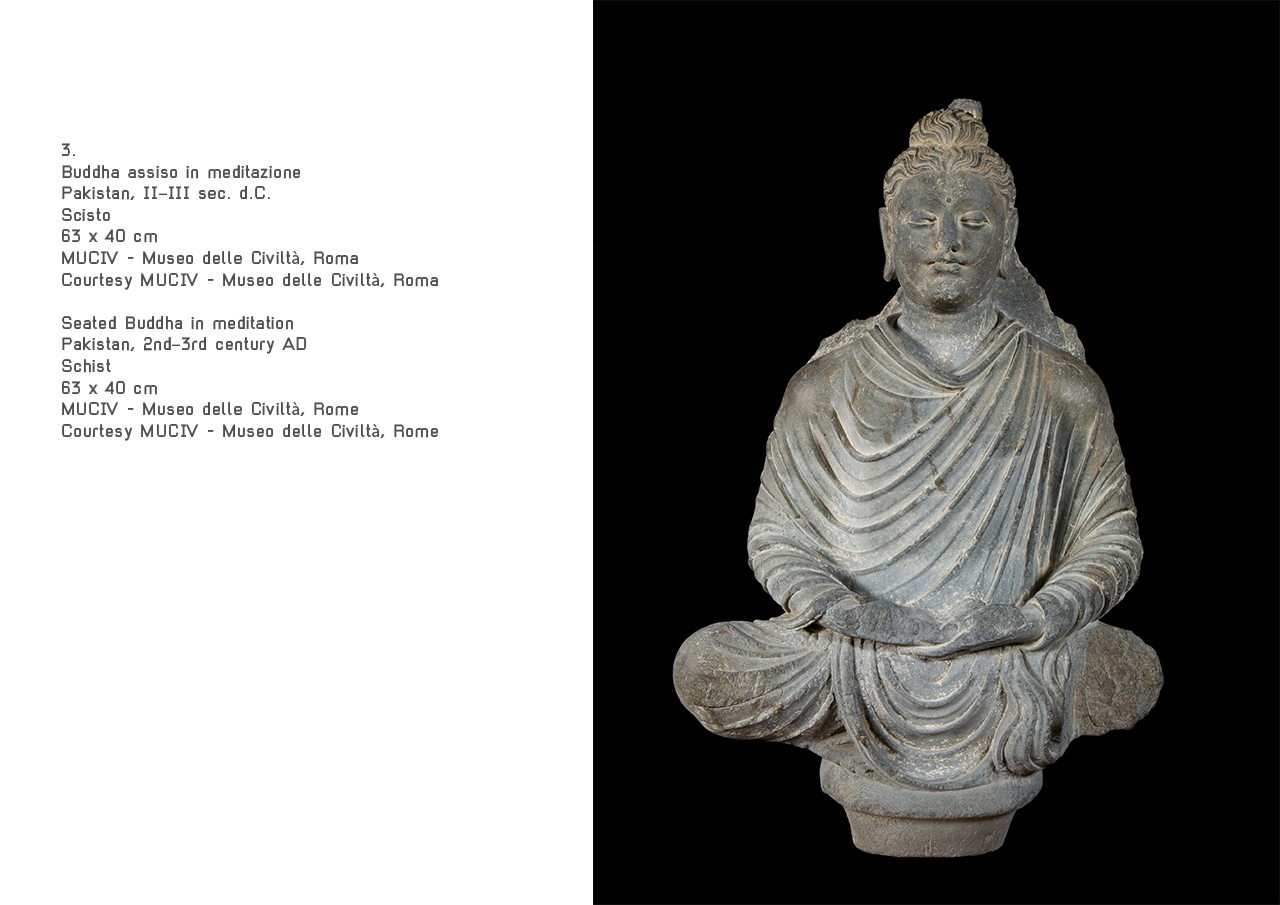
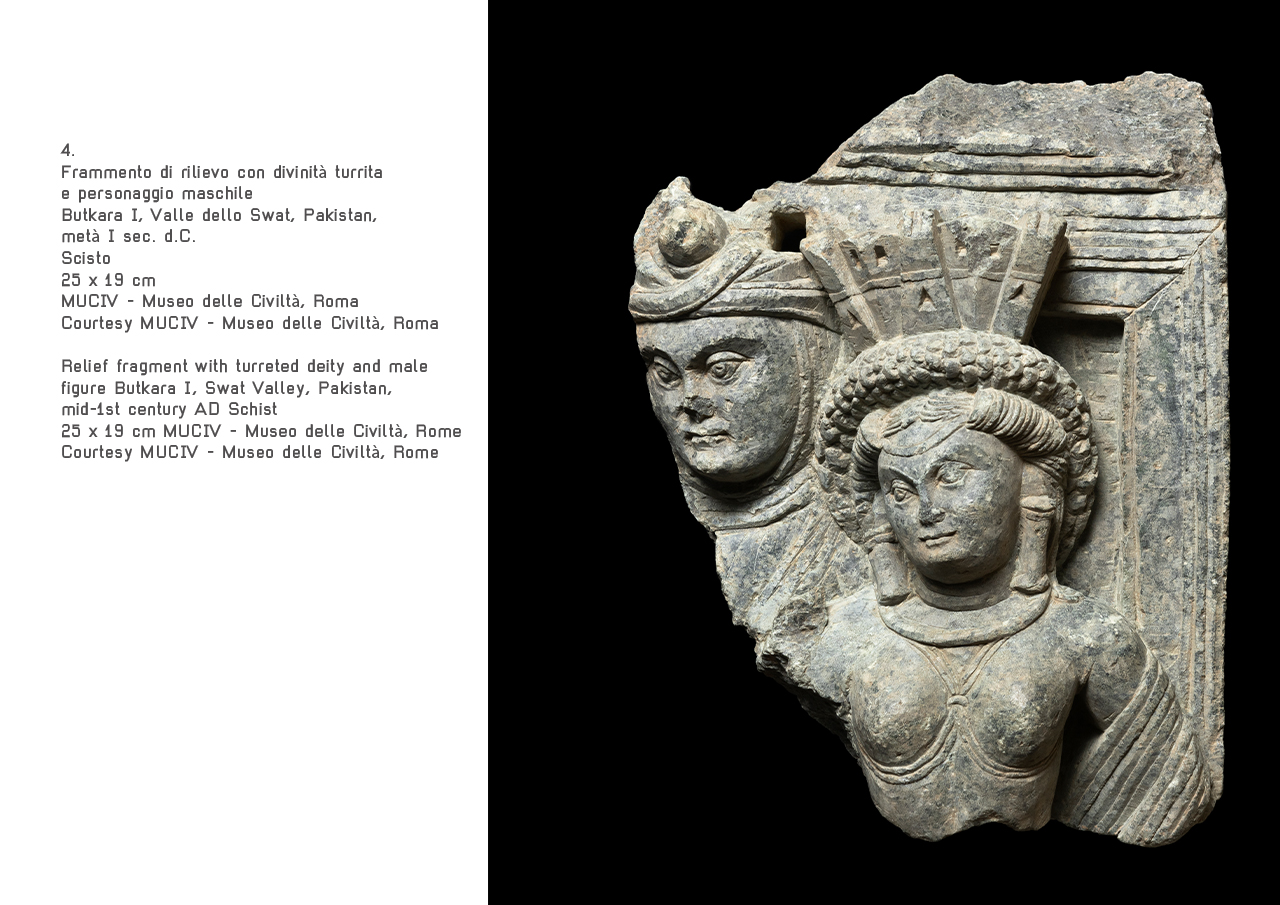
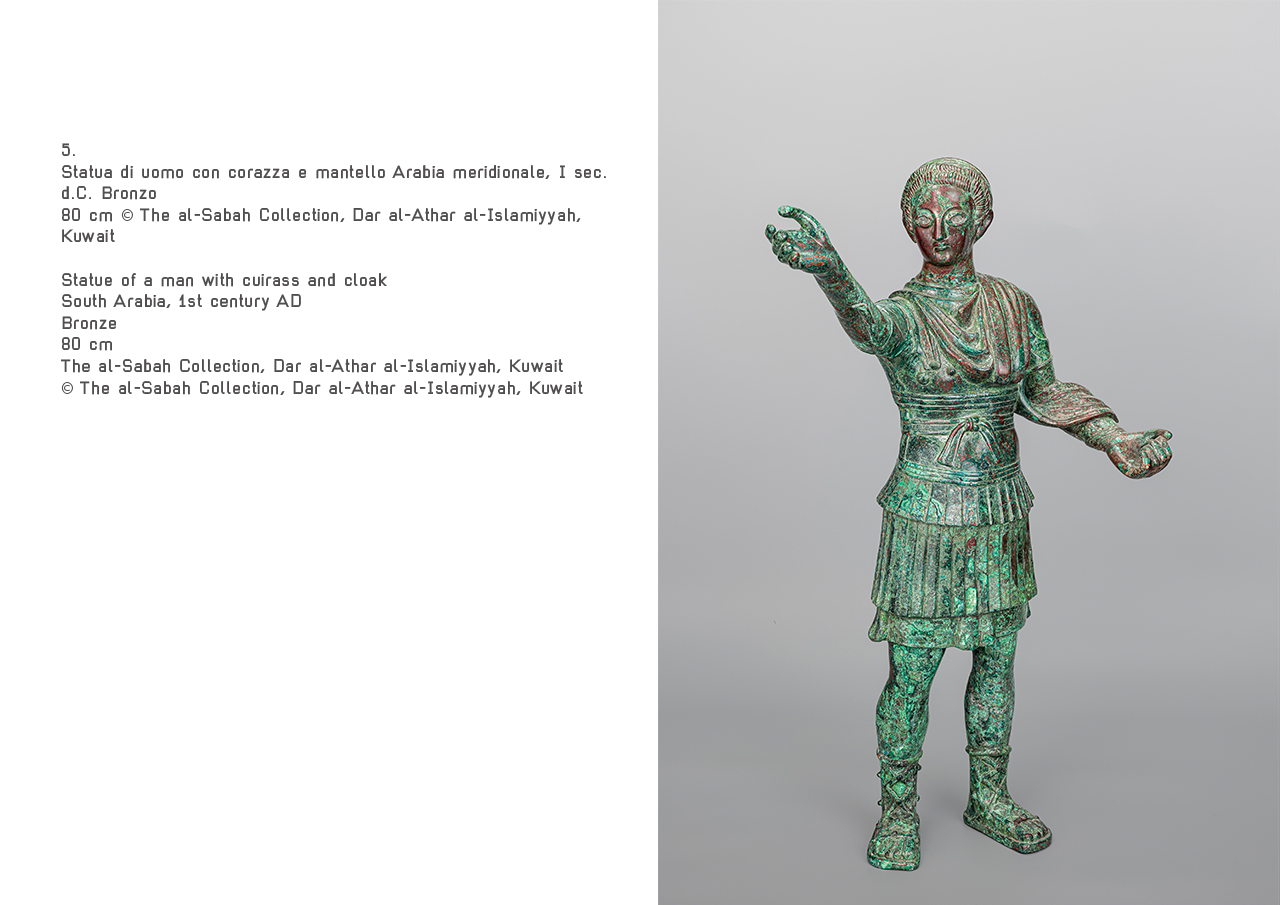
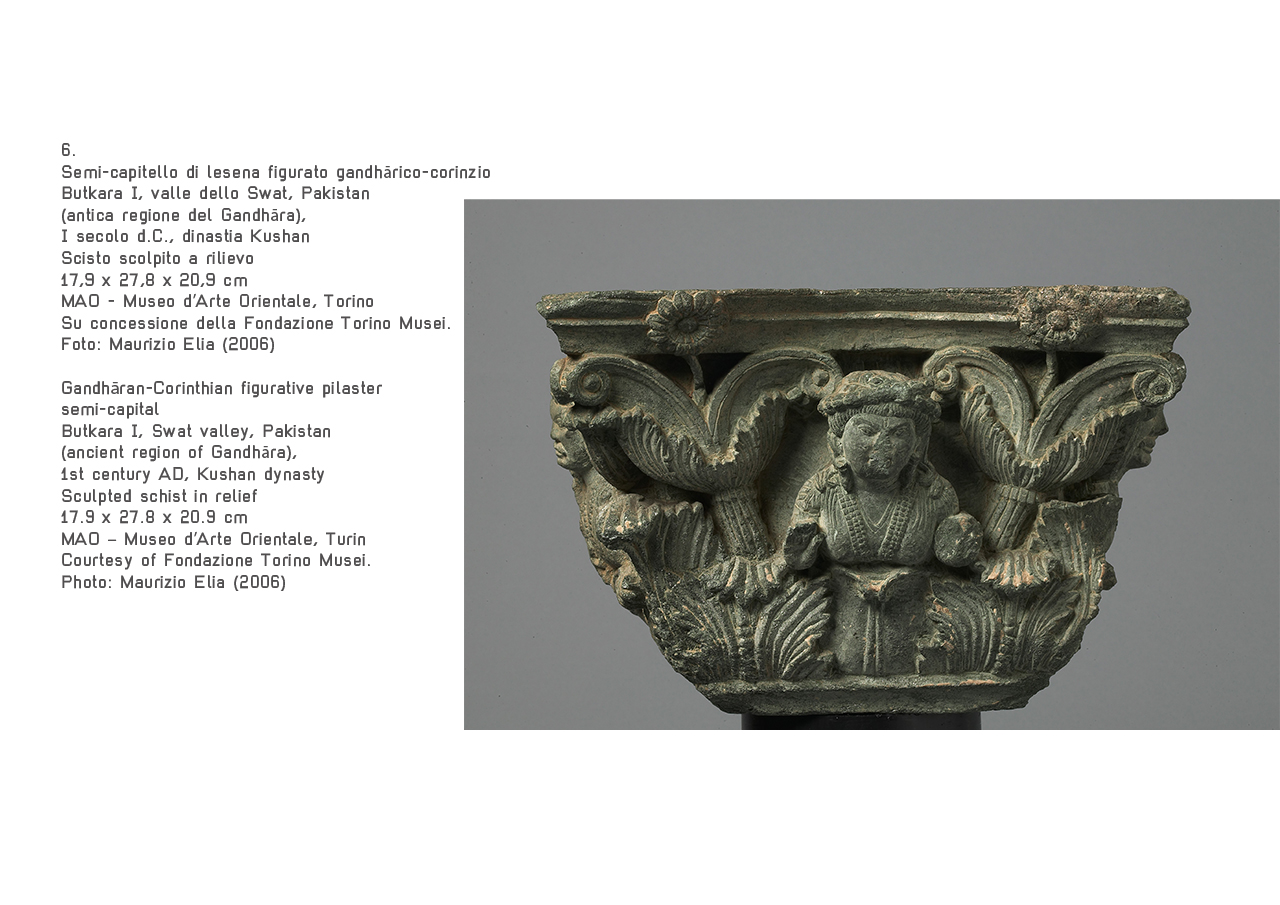
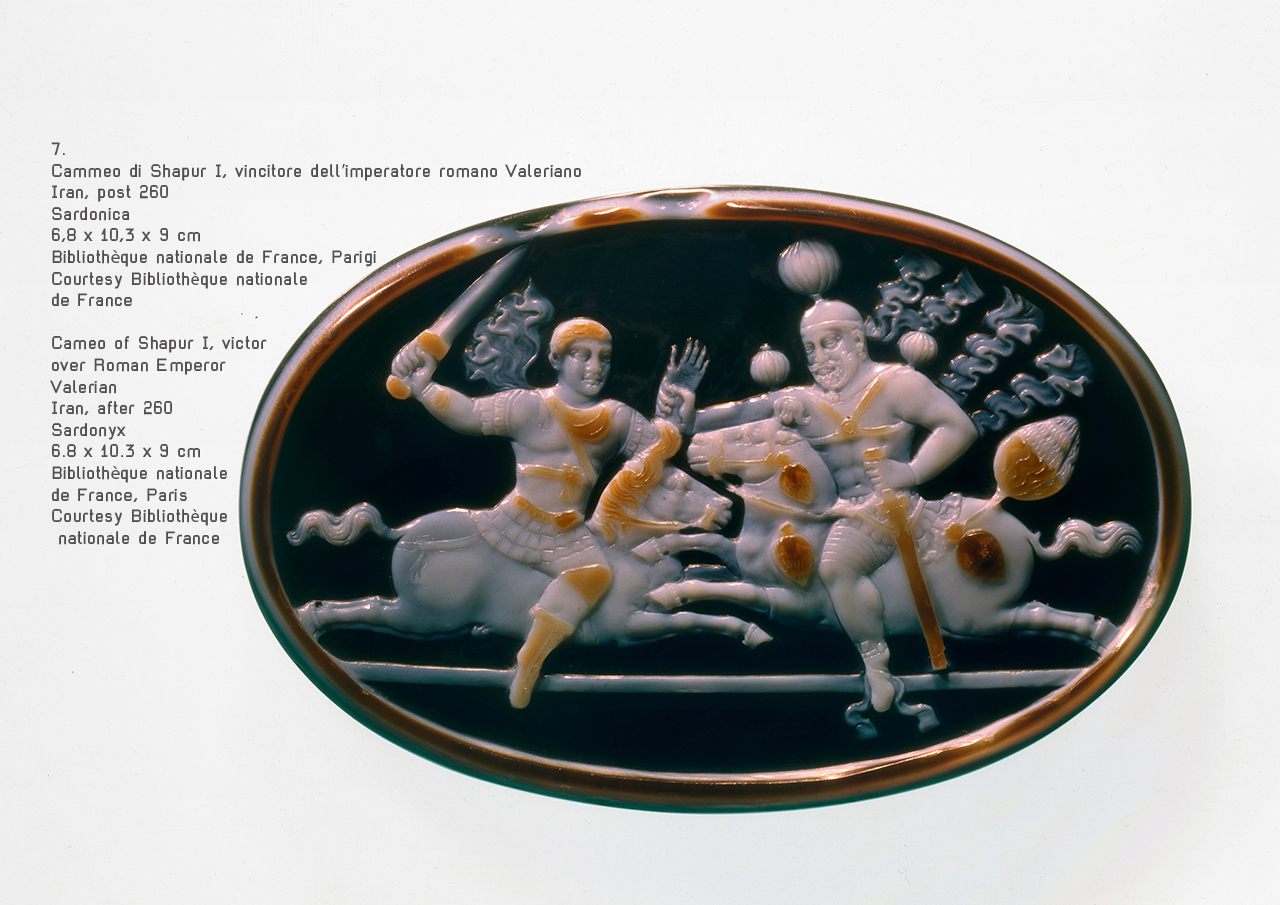
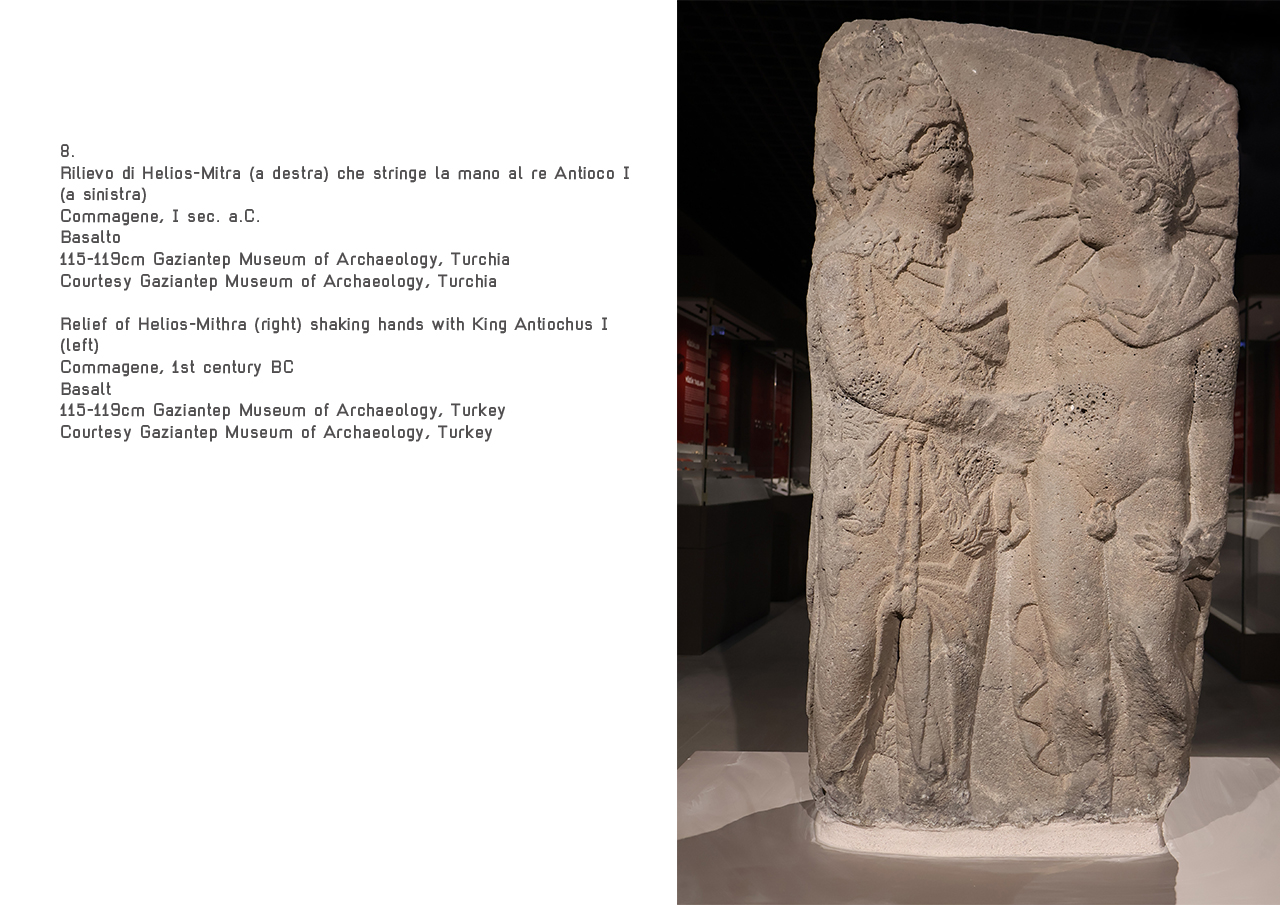
Through an accurate selection of over 150 artworks and artifacts, “Global Antiquity” offers a unique perspective on the artistic, cultural, commercial, and political ties that, over 1,700 years of history, connected peoples and cultures from the Mediterranean to Asia, across continents and seas. Each of the objects on display, coming from different parts of the world, becomes a narrative element that attests to meaningful connections between two or more geographic regions and societies, often far apart from each other. From this perspective, where an artifact is found is just as important as where it was originally produced. Connecting these points on a world map reveals a multitude of trade routes and political, cultural, economic, and religious ties that extend far beyond the so-called Silk and Spice Roads. The ancient world emerges as a dense and dynamic web of exchange extending across continents.